Some film scores seem destined for the symphony hall. Epic franchises and sweeping orchestral blockbusters often make the leap from screen to stage with ease. But the most emotionally powerful film music doesn’t always come from spectacle—it often comes from quieter, stranger, more intimate places.
On February 1, the Boulder Symphony will explore that territory with Music Behind the Movies: The Sundance Film Festival, a concert devoted to the scores that have shaped some of the most compelling independent films of the past two decades. The program brings the music of Sundance cinema into focus—not as background accompaniment, but as music that stands on its own.
Independent films often rely on music as an emotional guide rather than a grand gesture. These scores shape atmosphere, memory, and tension in ways that are subtle but deeply felt. This concert treats those works as concert music, allowing audiences to experience them without the mediation of dialogue or plot.
“I’ve always thought of music in film as another character in the story,” says Boulder Symphony principal flutist Michael Williams. “Here, we’re giving that character the spotlight.”
A Program Shaped by Independent Cinema
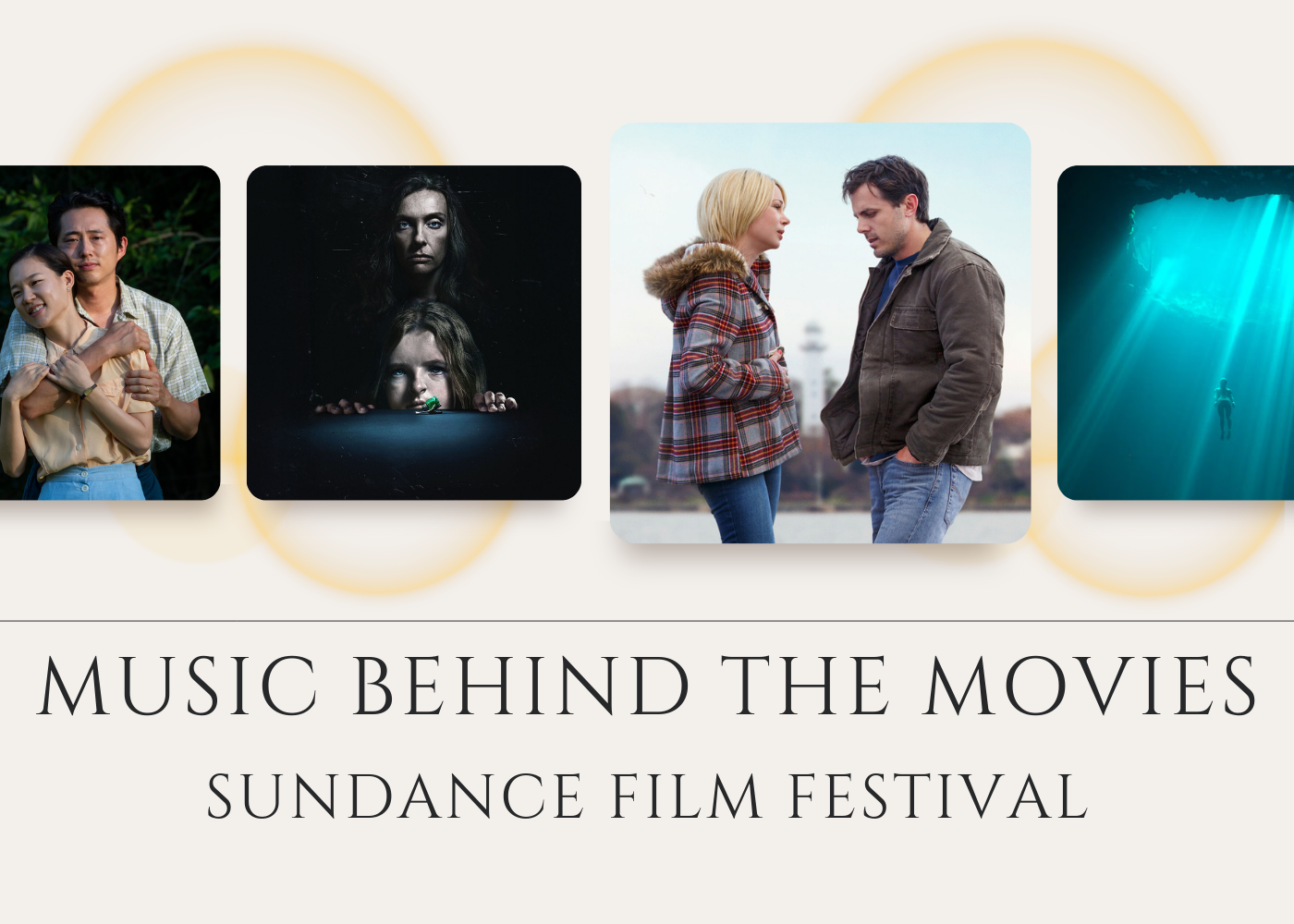
The evening features music from Minari, Manchester by the Sea, Hereditary, The Reason I Jump, The Deepest Breath, Us, and Reservoir Dogs. The composers represented—Lesley Barber, Emile Mosseri, Colin Stetson, Nainita Desai, and Michael Abels—have helped define the sound of contemporary independent film, creating scores that prioritize emotional truth over convention.
Several of those composers will attend the performance, and Emile Mosseri will join the orchestra at the piano to perform newly expanded orchestral arrangements from Minari. This marks the first time his Minari music has been performed live with a symphony orchestra, with new material written specifically for the Boulder Symphony.
Minari, directed by Lee Isaac Chung, follows a Korean-American family building a life on rural farmland. Mosseri’s score—nominated for an Academy Award—captures both fragility and hope, blending intimacy with lyrical warmth.
Reimagining Familiar Music
Lesley Barber’s Manchester by the Sea score will also be featured, presented alongside selections from Handel’s Messiah and Albinoni/Giazotto’s Adagio in G minor. These classical works appear prominently in the film and form an essential part of its emotional framework.
“Great film scores don’t always start from scratch,” Hughes explains. “Barber’s work reframes older music in a way that changes how we hear it—and how we feel it.”
This interplay between original score and historical music highlights how film composers shape emotional meaning through context, not just composition.
Sound as Physical Experience
Perhaps the most surprising entry on the program is Hereditary. Colin Stetson’s score—constructed from breath sounds, extended techniques, and unsettling textures—eschews traditional horror tropes in favor of something more visceral.
“In a theater, that kind of music works subconsciously,” Hughes says. “In a concert hall, it’s physical. You feel it immediately.”
Williams agrees, noting that this repertoire departs sharply from typical movie concerts. “This is stranger music,” he says. “But that’s what makes it exciting.”
Balance, Intensity, and Discovery
The program also includes Nainita Desai’s deeply empathetic scores for The Reason I Jump and The Deepest Breath, as well as a driving excerpt from Michael Abels’ Us. While Us did not premiere at Sundance, Abels’ close association with the festival and the power of the music made it a natural fit.
To balance the intensity, the concert concludes with a playful nod to Quentin Tarantino’s Reservoir Dogs, featuring iconic needle‑drop moments like “Stuck in the Middle with You” and “Magic Carpet Ride”—songs forever linked to their cinematic context.
A Living, Evolving Program
For a small orchestra, a program like this comes with challenges. Much of the music required custom arrangements, and rehearsal time is limited. But that sense of discovery is part of the appeal.
“Some of this will feel like a soft world premiere,” Williams says. “We’re discovering the sound together.”
Boulder Symphony audiences, he adds, are uniquely open to that process. “They’re curious. They’re willing to listen. Presenting this music in a concert setting says: this matters.”
For Hughes, the project connects back to an early experience hearing E.T. performed live with orchestra.
“I expected to enjoy it,” he says. “What I didn’t expect was how deeply I felt it. I wasn’t analyzing—I was just experiencing. That’s what great art does.”
Music Behind the Movies: The Sundance Film Festival invites audiences to do the same: to feel first, and analyze later, as Boulder welcomes a new chapter in its cultural life.